

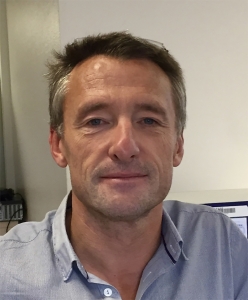
 Regis Josien Regis JosienDirector of Labex ImmuNE UMR 1064 CR2TI regis.josien@univ-nantes.fr |
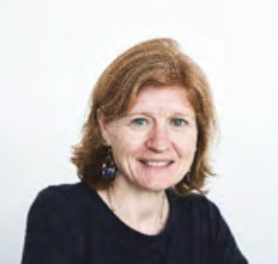 Sophie Brouard Sophie BrouardDeputy Director of Labex ImmuNE UMR 1064 CR2TI sophie.brouard@univ-nantes.fr |
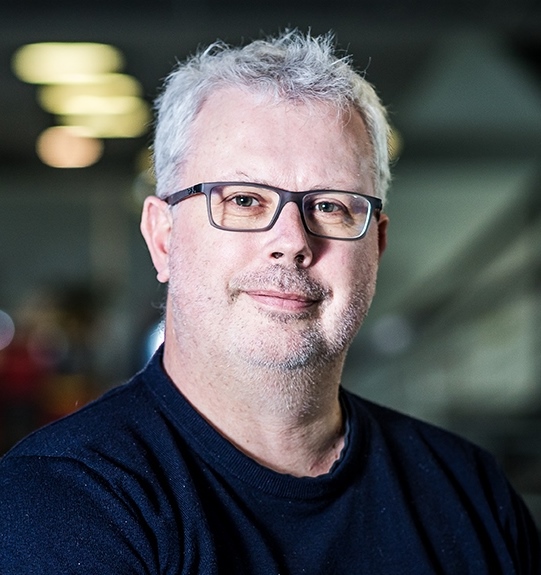 Emmanuel Scotet Emmanuel ScotetDeputy Director of Labex ImmuNE UMR 1307 CRCI2NA emmanuel.scotet@univ-nantes.fr |
 Nathalie Labarrière Nathalie LabarrièreDeputy Director of Labex ImmuNE UMR 1302 INCIT nathalie.labarriere@inserm.fr |
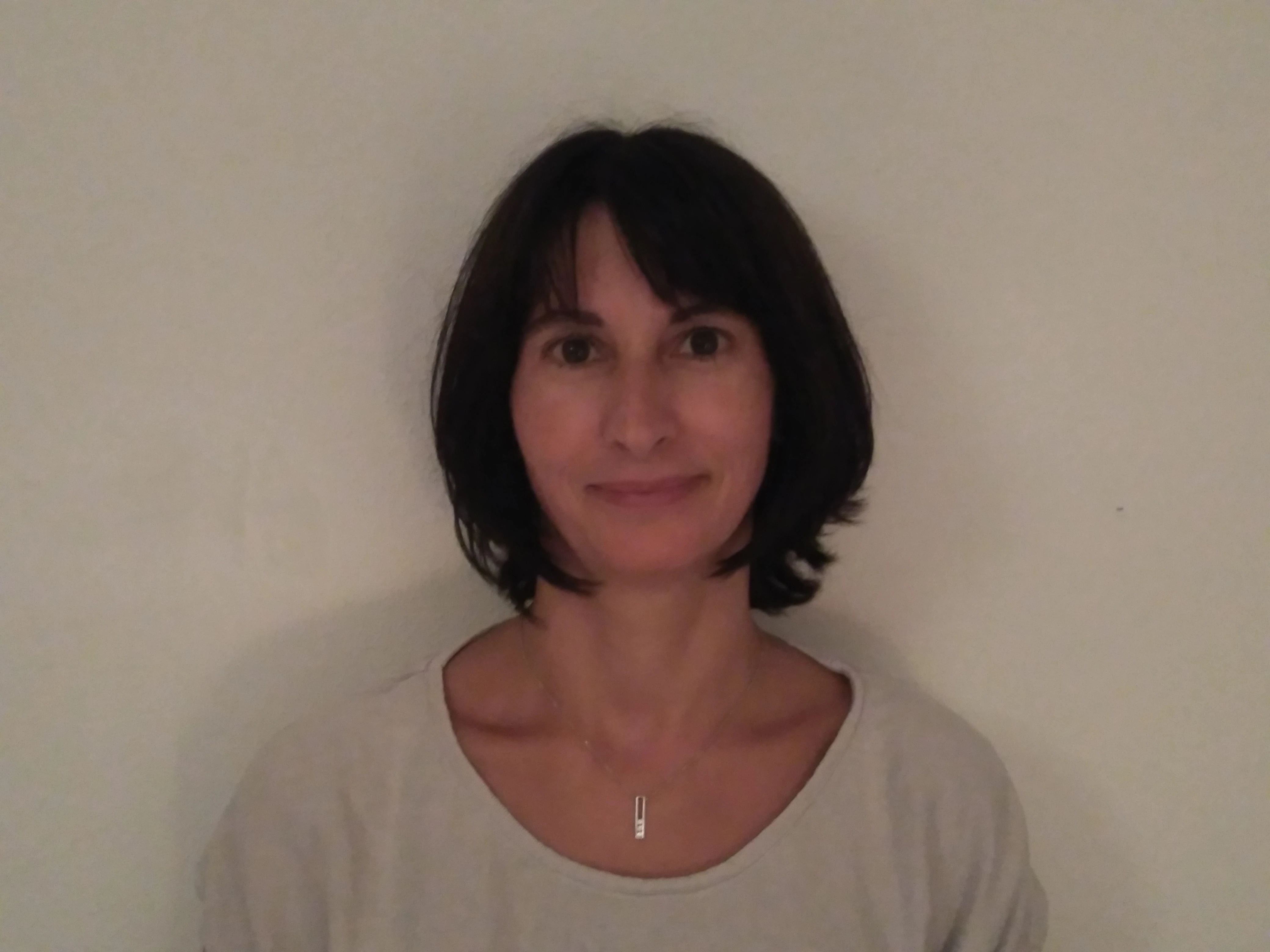 Laurence Wolff Laurence WolffExecutive Manager of Labex ImmuNE UMR 1064 CR2TI laurence.wolff@univ-nantes.fr |
Governance
Directory board
Steering Committee
| Regis Josien UMR 1064 CR2TI regis.josien@univ-nantes.fr |
Blandine Monel >> in charge of the Research workpackage UMR 1302 INCIT blandine.monel@univ-nantes.fr |
| Sophie Brouard UMR 1064 CR2TI sophie.brouard@univ-nantes.fr |
Stéphane Tirard >> in charge of relations with SHS EA1161 - Centre François Viète stephane.tirard@univ-nantes.fr |
| Emmanuel Scotet UMR 1307 CRCI2NA emmanuel.scotet@univ-nantes.fr |
Laureline Berthelot >> in charge of the Research workpackage UMR 1064 CR2TI laureline.berthelot@univ-nantes.fr |
| Nathalie Labarrière UMR 1302 INCIT nathalie.labarriere@inserm.fr |
Jérôme Martin >> in charge of the Training workpackage UMR 1064 CR2TI jerome.martin@univ-nantes.fr |
| Laetitia Gautreau >> in charge of the Training workpackage UMR 1307 CRCI2NA laetitia.gautreau@univ-nantes.fr |
Christelle Harly >> in charge of the Research workpackage UMR 1307 CRCI2NA christelle.harly@inserm.fr |
| Nicolas Degauque >> in charge of the Training workpackage UMR 1064 CR2TI nicolas.degauque@univ-nantes.fr |
Scientific Advisory Board
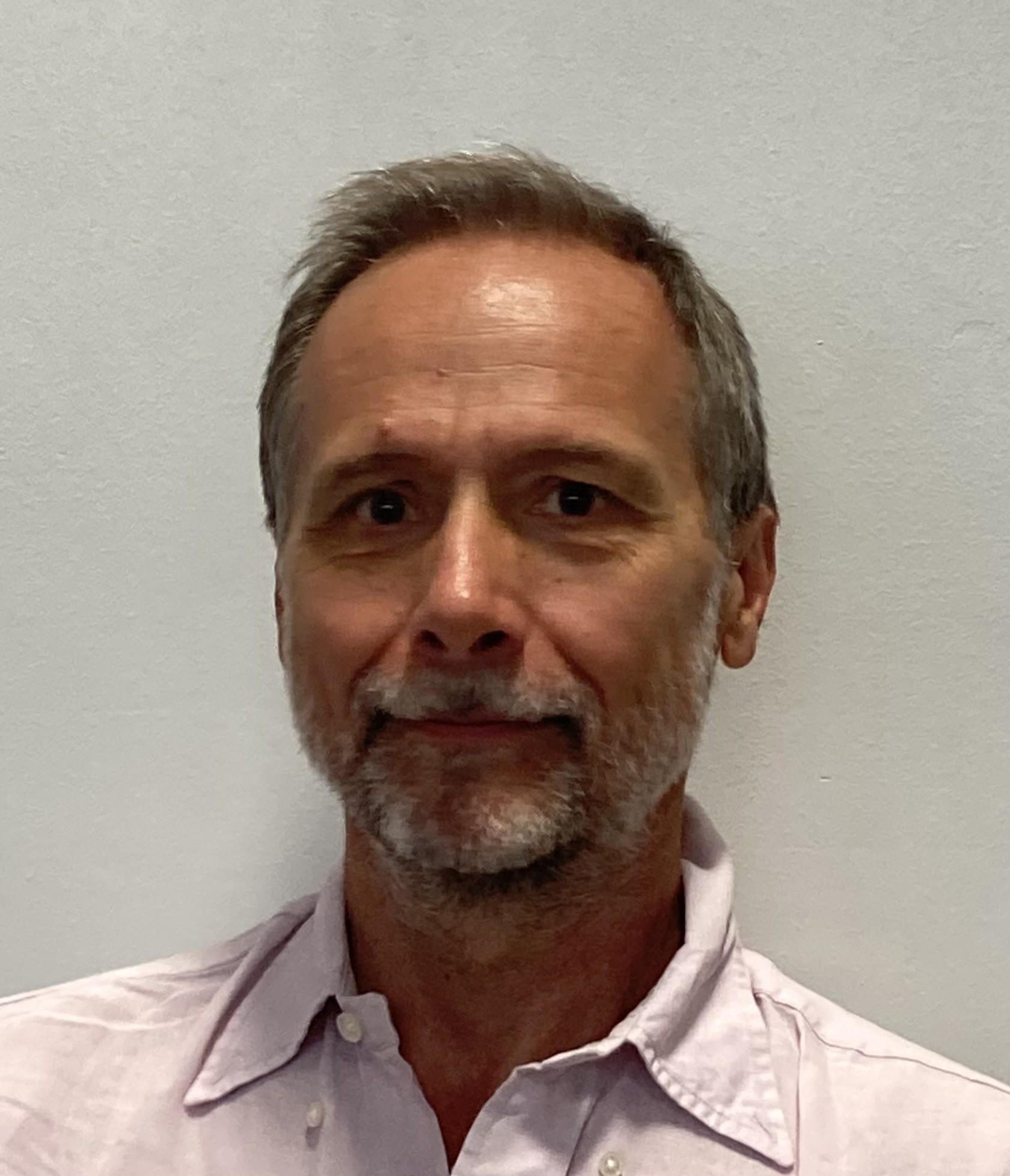 Paolo Dellabona earnes a Medical Degree and a Ph.D. in Human Genetics. After postdoctoral research with Roberto Accolla at the Ludwig Institute for Cancer Research in Lausanne, and with Christophe Benoist and Diane Mathis at the University of Strasbourg, he became a member of the Basel Institute for Immunology. In 1993, he joined the San Raffaele Scientific Institute in Milan, where he co-leads the Experimental Immunology Unit with Giulia Casorati. From 2014 to 2023, he also served as Director of the Division of Immunology, Transplantation, and Infectious Immunity. The Casorati–Dellabona laboratory investigates CD1-restricted T and iNKT cell responses, exploring their role in both physiological and pathological contexts. Their work places particular emphasis on tumor immunosurveillance and the translational potential of these immune responses for therapeutic applications.
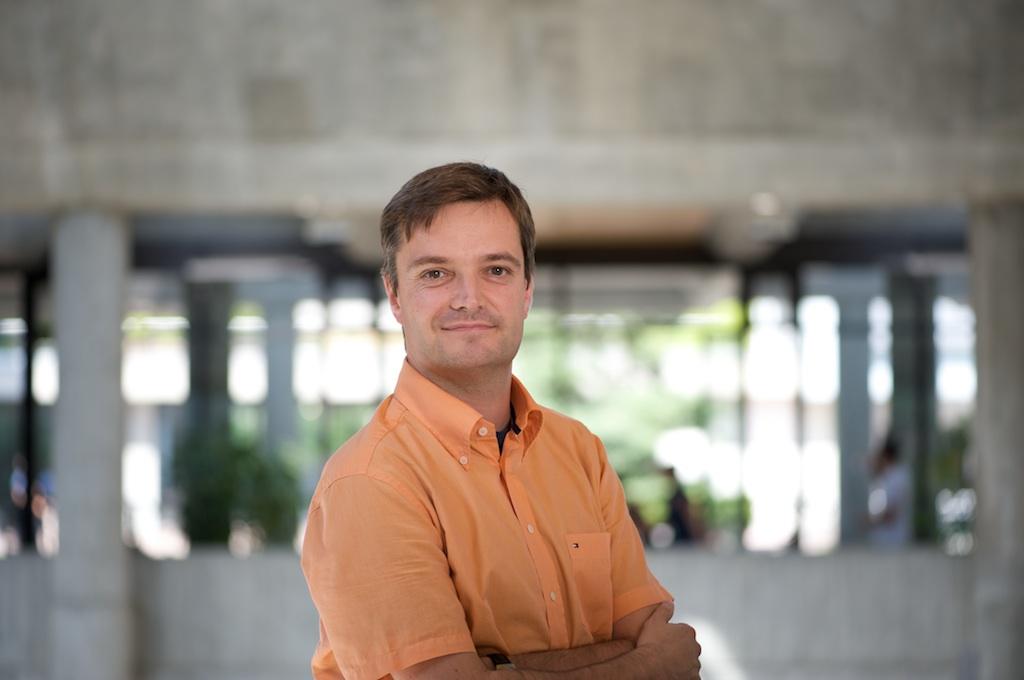 Christian Münz has been trained in immunology at the German Cancer Research Institute in Heidelberg, Germany, the University of Tübingen, Germany, and the Rockefeller University in New York, USA. He became Assistant Professor and Head of Laboratory at the Rockefeller University in 2003. In 2008 he was recruited as Associate Professor and Co-Director of the Institute of Experimental Immunology to the University of Zürich, Switzerland, and became Full Professor in 2015. Since 2010 he is also Visiting Professor at the Imperial College in London, UK. In 2006 he received the Burroughs Welcome Fund Investigators in Pathogenesis of Infectious Disease Award for his studies on antigen processing via macroautophagy, and in 2012 the Sobek Award for his studies on the association of Epstein Barr virus (EBV) infection with multiple sclerosis (MS). He is an expert in EBV specific immune control and humanized mice as preclinical models for human oncogenic gamma-herpesvirus infections.
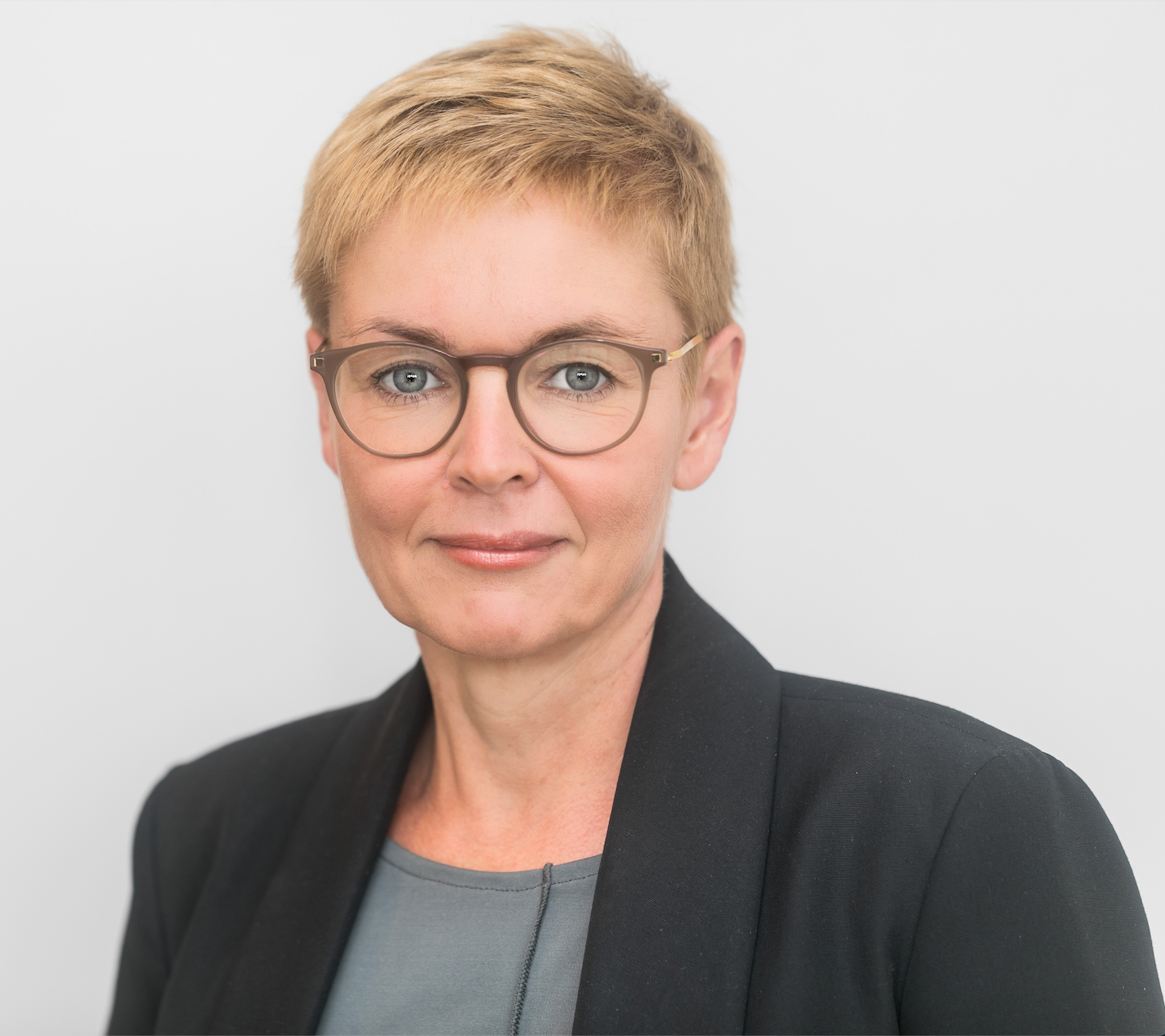 Birgit Sawitzki is Professor of Translational Immunology and Director of the Center of Immunomics at the Berlin Institute of Health (BIH) at Charité – Universitätsmedizin Berlin. She studied Biochemistry at the Humboldt-Universität in Berlin and obtained her doctorate at the Charité Institute of Medical Immunology under the supervision of Hans-Dieter Volk. After her PhD she joined the Nuffield Department of Surgery, University of Oxford, as a postdoctoral fellow supported by a Wellcome Trust Fellowship, before returning to Berlin to establish her own research group on Transplantation Tolerance at Charité. She was appointed Associate Professor of Immune Tolerance in 2009 and, in 2021, promoted to Full Professor of Translational Immunology and Director of the Center of Immunomics at BIH. Prof. Sawitzki’s research aims to unravel the cellular and molecular mechanisms driving immune dysregulation in acute and chronic inflammatory diseases, severe infections, and transplant rejection. Her group focuses on T-cell biology and immune-cell crosstalk, applying high-dimensional single-cell technologies such as mass cytometry, spectral flow cytometry, single-cell transcriptomics as well as spatial proteomics combined with computational analysis.
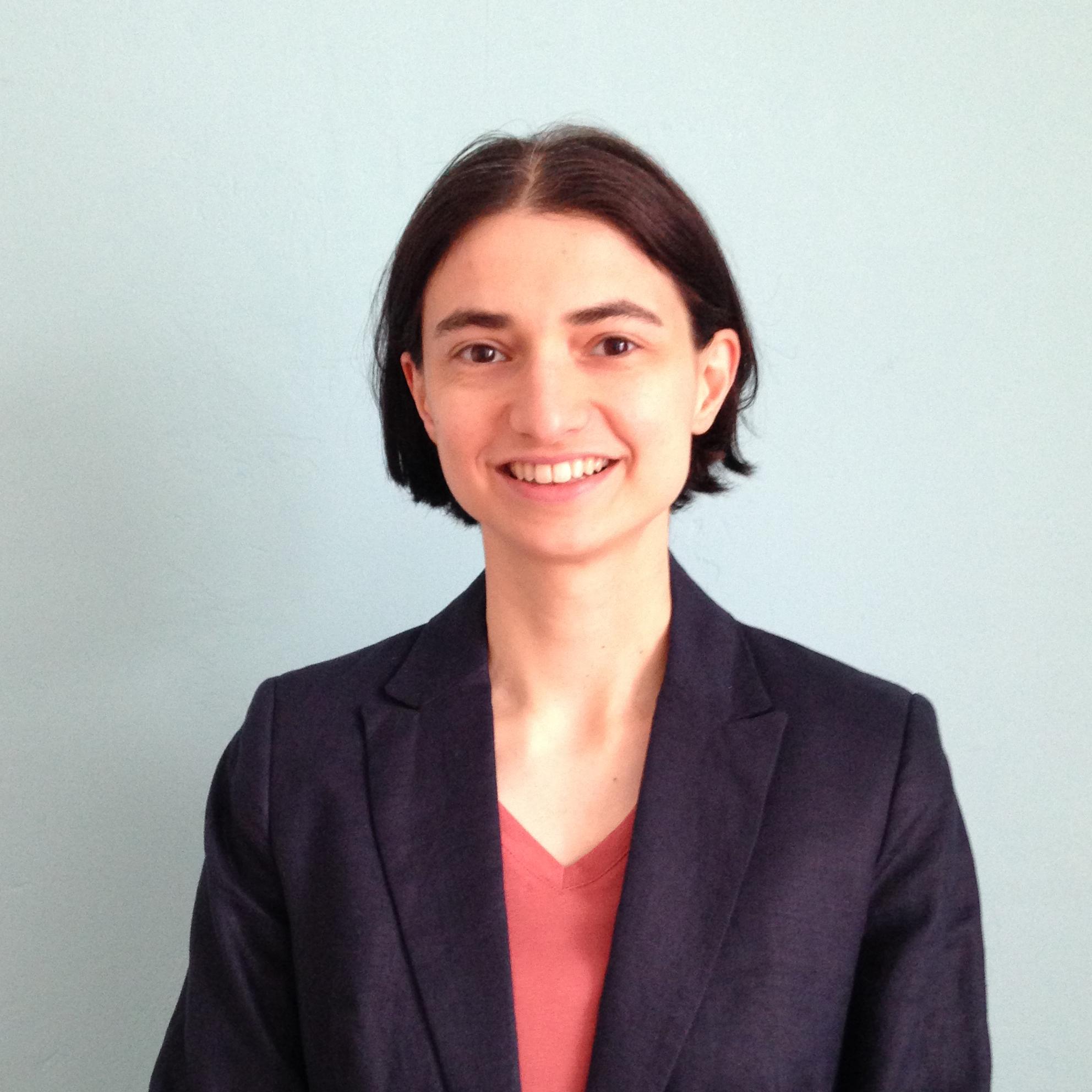 Elodie Segura is a Principal Investigator at the Institut Necker Enfants Malades (INEM) in Paris. She was trained at Institut Curie (Paris) as a PhD student with Clotilde Théry and at the Walter and Eliza Hall Institute (Melbourne) as a post-doc with José Villadangos. After being a senior post-doc with Sebastian Amigorena, she became in 2017 a Group Leader in the Immunology department of Institut Curie (Paris). In 2025, she moved her laboratory to INEM. Her lab focuses on the biology of mononuclear phagocytes, with the goal to manipulate the properties of these cells for disease treatment, in particular for cancer and inflammatory diseases. A major aim of her work is to better understand how macrophages and monocytes adapt their transcriptional program to signals from their environment, notably via the Aryl Hydrocarbon Receptor. To achieve this, her group combines studies of human cells in vitro and relevant in vivo models in mice.
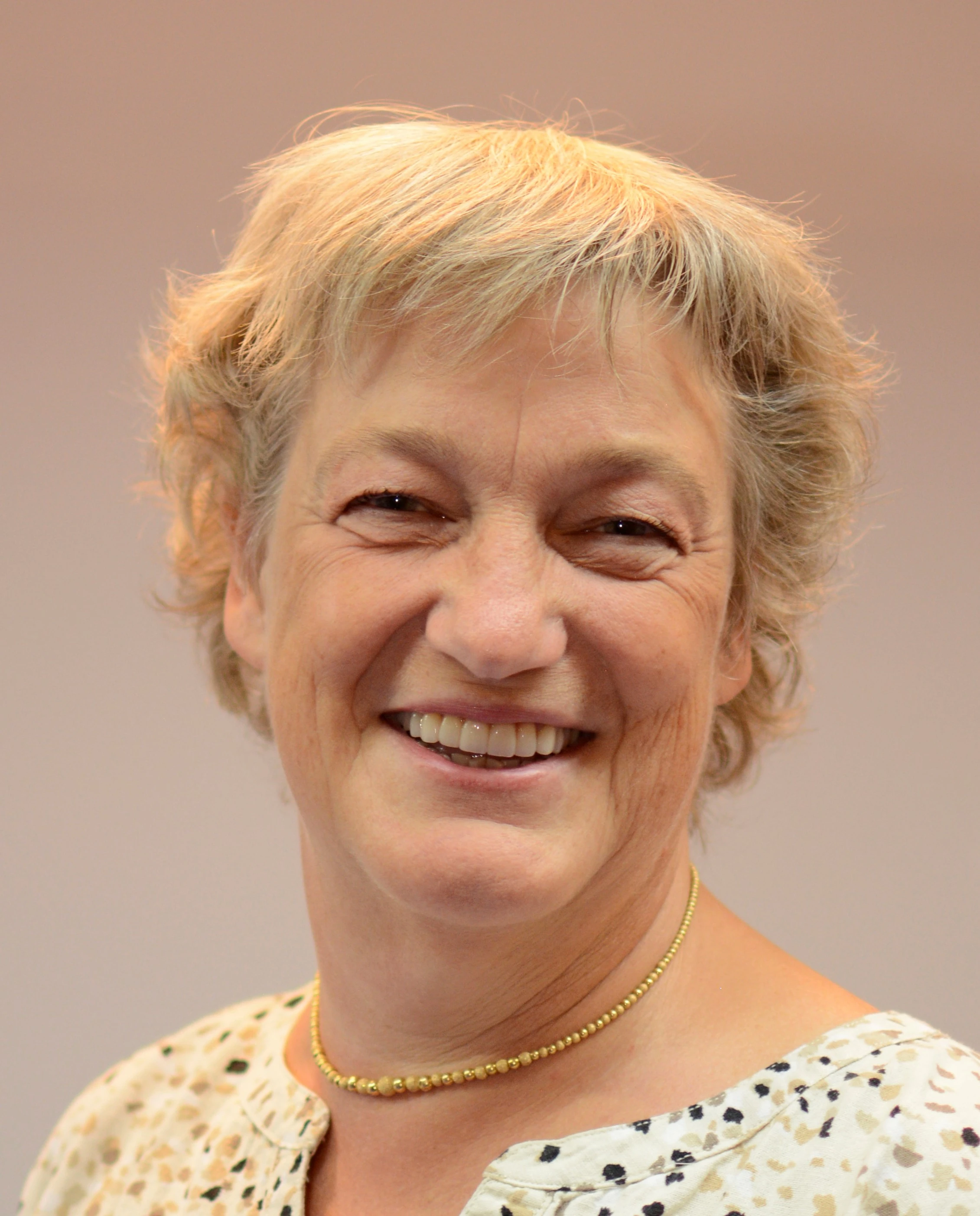 Marieke van Ham executed her PhD in medical microbiology at the University of Amsterdam, the Dutch National Institute for Public Health and the Environment and the Max-Planck-Institüt für Infektionsbiologie in Tübingen, Germany. She moved into immunology at the Imperial Cancer Research Institute in London, United Kingdom. After positions at the Netherlands Cancer Institute and Amsterdam Free University, she became head of the B cell immunology group, and later head of department, at Sanquin, the Dutch Blood Supply Foundation in 2003. She became, full professor of Biological Immunology at the University of Amsterdam in 2010. Here, she is responsible for the immunology curriculum for bachelor and master students. Marieke van Ham’s research focuses on regulation of human B cell differentiation and formation of antibodies. Her research group combines ex vivo studies of deep B cell profiling with in vitro models of B cell differentiation and in silico multi-omic integration of proteome, single cell transcriptome and B cell receptor clonal tree data. Through this, she aims to elucidate distinct stages of antigen-specific B cell responses to target unwanted antibody responses in autoimmunity, transplantation and alloimmunisation.
Updated on 08 September 2026.